Afreximbank: Intra-African trade stuck at 14% despite AfCFTA
By AJERAP CORRESPONDENT
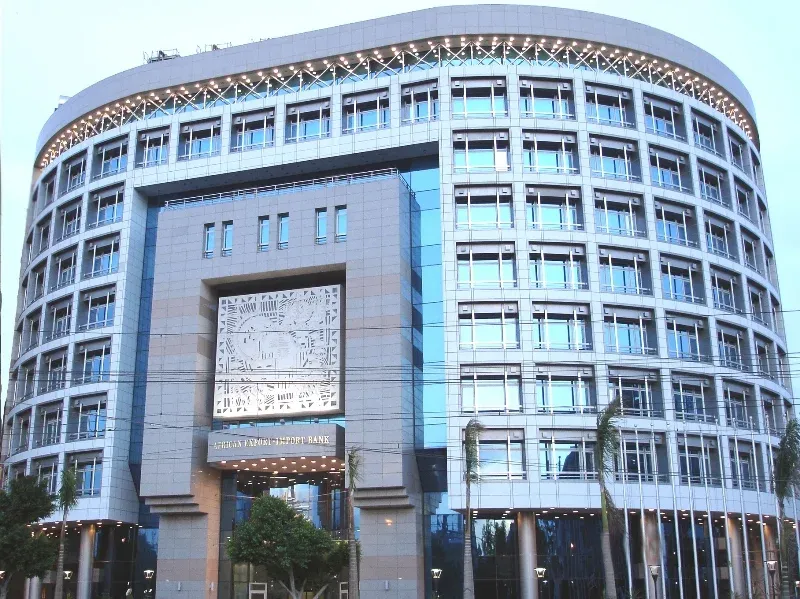
African Export-Import Bank (Afreximbank) has called for increased trade financing, stronger regulatory compliance and greater investment in local manufacturing to accelerate intra-African trade and industrialisation, noting that trade within the continent accounts for only 14 per cent of its total trade.
The Bank disclosed that although intra-African trade grew by 5.5 per cent in 2025, the continent was yet to translate the African Continental Free Trade Area (AfCFTA) agreement into significant commercial opportunities.
Speaking at the inaugural Afreximbank Trade Finance Seminar and Compliance Forum in Gaborone, Botswana, Mr Haytham El Maayergi, Executive Vice President, Global Trade Bank, Afreximbank, said trade financing and effective compliance systems were essential to building an integrated African market.
“We cannot build an integrated African market without financing the trade that connects us, and we cannot expand that trade sustainably without the trust, transparency and compliance systems that underpin it,” he said.
El Maayergi noted that although 50 countries had ratified the AfCFTA, only 12 were actively trading under its framework, stressing the need to translate the agreement into tangible economic benefits.
“We have opened the market. Our task now is to make that market work,” he said.
He urged African countries to move beyond exporting raw materials and prioritise local processing, manufacturing and value addition to create jobs and retain more economic benefits within the continent.
“It is about moving from exporting raw materials to processing, manufacturing, and creating greater value here in Africa,” he said.
He added that Africa must ensure its resources support domestic industries and businesses rather than continue to depend heavily on external markets.
El Maayergi also said geopolitical tensions and global supply-chain disruptions presented opportunities for Africa to attract manufacturing investments as international markets diversified production beyond China.
“As global markets look to diversify production beyond China, Africa must position itself as a natural partner of choice. The continent has the resources, vast land and, most importantly, its people,” he said.
He warned that Africa's demographic advantage would depend on decisions taken today, noting that one in four people globally would be African by 2050.
Speaking at the event, Governor of the Bank of Botswana, Mr Lesego Moseki, described compliance as a strategic asset for strengthening resilience, building trust and improving competitiveness. He called for greater cooperation among regulators, financial institutions and development finance institutions.
Similarly, Acting Chief Executive Officer of the Botswana Investment and Trade Centre, Mr Anthony Sefako, said Botswana was pursuing economic diversification from diamond mining towards a digitally enabled, export-led economy.
He disclosed that the country was targeting manufacturing exports of 23 per cent by 2036, with opportunities in battery-metal refining, pharmaceutical biomanufacturing, industrial steel, renewable energy and agriculture.
“Botswana is currently pursuing a bold productive transformation, shifting from reliance on diamond mining towards a digitally enabled, export-led and diversified high-income economy,” Sefako said.
El Maayergi also highlighted Afreximbank's role in regional integration through the Pan-African Payment and Settlement System (PAPSS), which facilitates cross-border payments in local currencies across more than 30 African countries.
He further cited the Bank's Strategic Minerals Development Programme and XTRA trading platform, which has facilitated more than $1.5 billion in transactions, as initiatives supporting African trade and industrial development.
The Bank also highlighted its Africa Trade Gateway, which integrates trade information, due diligence, market access and payment solutions to improve cross-border transactions, strengthen compliance and reduce trade barriers.